
What Is Brain Retraining?
A New Approach to Emotional Wellbeing
Most approaches to mental wellbeing focus on managing thoughts.
Brain retraining takes a different path.
It works with the part of the brain where emotional patterns form — the unconscious brain — helping to gradually reshape how you feel, respond, and experience life over time.
What Is Brain Retraining?
Brain retraining is an approach designed to support neuroplasticity — the brain's natural ability to change and form new neural pathways.
Rather than relying on willpower, effort, or constant conscious control, it provides consistent, structured input that works at a deeper level.

Over time, this may support:
- A calmer, more regulated nervous system
- Reduced emotional reactivity
- Greater resilience and adaptability
- A more balanced emotional state
For many people, this is where the difference is felt — not just in how they think, but in how they naturally respond.
Why Traditional Approaches Can Fall Short
Many methods focus on the conscious mind — your thoughts, behaviours, and awareness.
But emotional responses are often driven by deeper, automatic processes within the brain.
This is why you can:
- Know what to do… but not feel able to do it
- Think differently… but still feel the same
- Try to move forward… but feel pulled back
It's not a lack of effort.
It's how the brain has learned to respond.

Brain retraining works to bridge this gap — by supporting change at the level where these patterns are formed.
How Brain Retraining Works
Brain retraining works through repeated, structured input delivered over time.

This consistent input may help to:
- Interrupt existing patterns
- Introduce new signals to the brain
- Strengthen healthier neural pathways
The key is not intensity — it's consistency.
Rather than forcing change, the brain naturally adapts through repeated exposure to new inputs.
A Passive, Supportive Approach
One of the defining features of brain retraining is that it does not rely on constant effort.
It can be integrated into everyday life — including moments of rest, and even during sleep.
For many, this is where it feels different.
There's no pressure to "fix" anything.
No need to overthink or push through.
Instead, the process works quietly in the background.
The Role of Sleep
Sleep is one of the most receptive states for the brain.
Even while you rest, the brain continues to process and integrate information.
Using brain retraining during sleep allows consistent input when the brain is at ease — supporting the formation of new neural pathways without effort or interruption.

Who Brain Retraining Is For
Brain retraining may be helpful for those who:
- Feel anxious, overwhelmed, or emotionally reactive
- Struggle to switch off or relax
- Experience repetitive or intrusive thought patterns
- Feel stuck in cycles they can't seem to break
- Want a simple, consistent approach to emotional wellbeing

The Future of Emotional Wellbeing
Brain retraining represents a shift in how we approach mental and emotional health.
Rather than only managing symptoms, it supports the brain in creating bigger, more lasting change.
As research into neuroplasticity continues to evolve, brain retraining is emerging as a practical and accessible way to support long-term emotional wellbeing.
Blissiree and Brain Retraining
Blissiree sits at the forefront of this emerging approach.
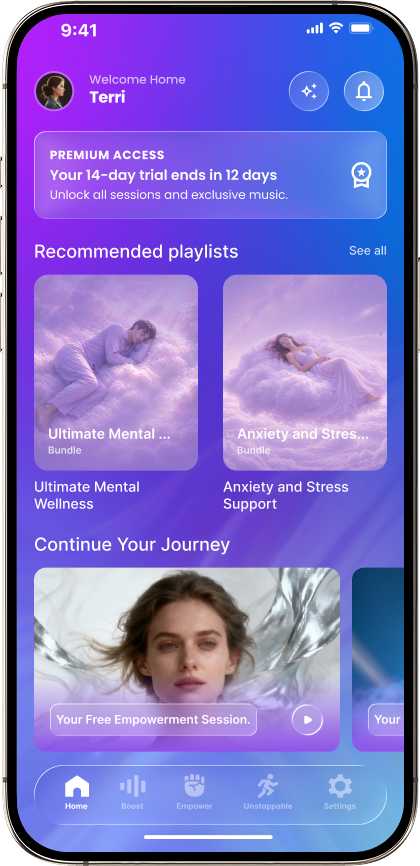
It uses structured Positive Auditory Stimuli (PAS) designed to support neuroplasticity — helping the brain form new emotional patterns while you rest or sleep.
- It's simple to use.
- Set the volume to a gentle, whisper level.
- And allow your brain to begin the process.
A Simpler Way to Create Change
Brain retraining isn't about trying harder.
It's about giving your brain the right input — consistently — so it can begin to change.
Over time, what once felt effortful can become natural.
Experience It for Yourself
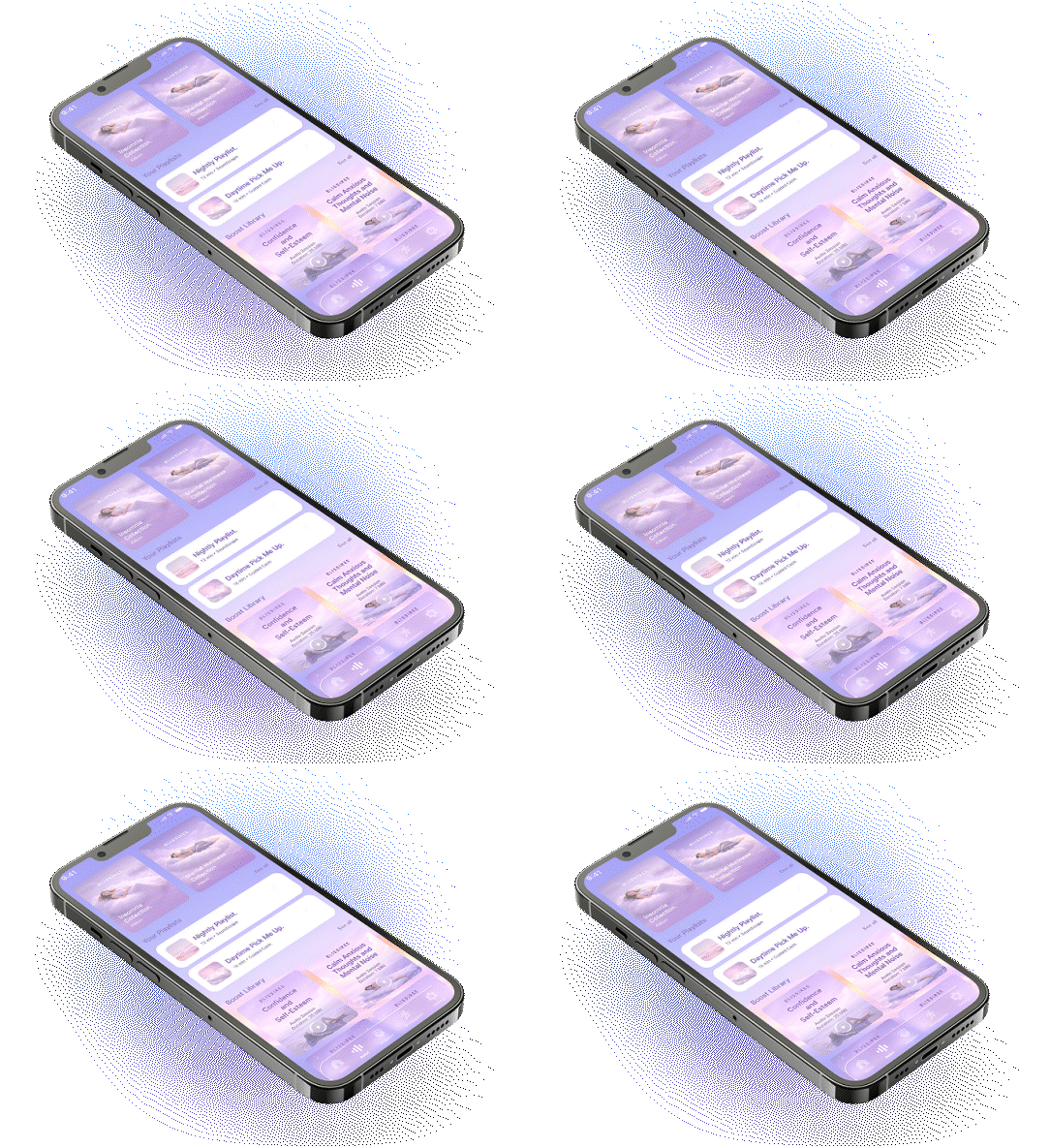
Try the Blissiree 30-Minute Brain Reset and explore the Boost Library with over 200 brain-retraining audios.
Press play. Rest.
Let your brain do the work.
Start your Free 14-day trial.

